Archives

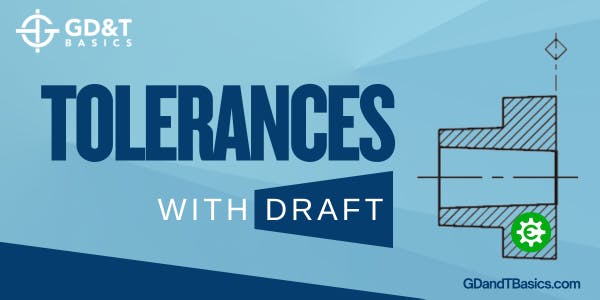
Tolerances with Draft

by Crystal Bemis on February 17, 2025.

In this Question Line video, Jason introduces ASME Y14.8 and explains how to apply + or - DRAFT to size dimensions, using examples to show how to find and handle tolerances for draft features.

Flatness and Rule #1

by Crystal Bemis on February 10, 2025.

In this Question Line video, Jason explains how to calculate the flatness tolerance of a surface for a given example based on the size tolerances and Rule #1.

True Position for Multiple Features

by Crystal Bemis on February 3, 2025.

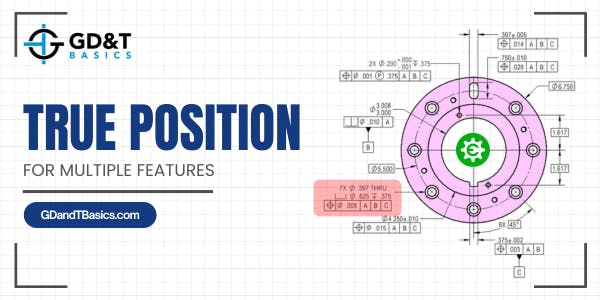
In this Question Line video, Jason walks through an example where one feature control frame is controlling position for multiple features and identifies where this practice is outlined in the ASME Y14.5 spec.

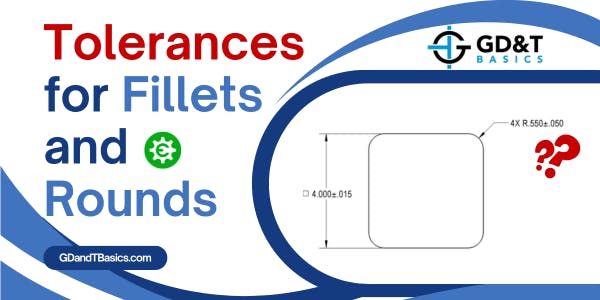
Tolerances for Fillets and Rounds

by Crystal Bemis on January 27, 2025.

In this Question Line video, Jason discusses applying tolerances to fillets and rounds, explaining why applying profile of a surface allows more direct control of the size and form than using +/- tolerances.

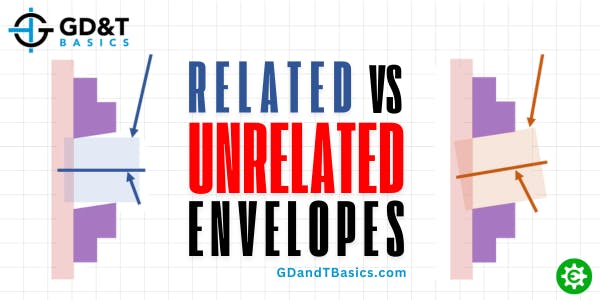
Related vs Unrelated Envelopes

by Crystal Bemis on January 13, 2025.

In this Question Line video, Jason explains the difference between the related and unrelated actual mating envelope and walks through an example drawing to explain when and how they are used to inspect a feature.

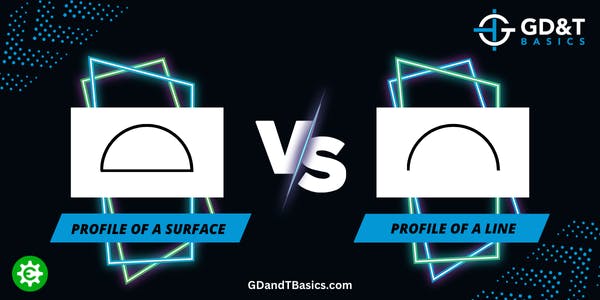
Profile of a Surface with No Datums

by Crystal Bemis on January 6, 2025.

In this Question Line video, Jason walks through a few examples to show us the difference between profile of a surface with and without datums referenced in the feature control frame and how that affects the reported deviation.

Profile Unequal Zone

by Crystal Bemis on December 9, 2024.

In this Question Line video, Jason discusses the ISO Unequal Zone (UZ) modifier, which is similar to the Unequally Disposed modifier of the ASME standard. He walks through an example where the UZ modifier is included in a feature control frame controlling profile of a surface and discusses how this impacts the tolerance zone.

Positional Control of X, Y, and Z

by Crystal Bemis on December 2, 2024.

In this Question Line video, Jason discusses the positional control of the X, Y, and Z translations for a cylindrical post on the submitted drawing. He defines the datum reference frame and zero point of the part and explains why the feature control frame in question is essential to constraining where the cylinder exists vertically.

How to Find Zero

by Crystal Bemis on October 21, 2024.

In this Question Line video, Jason shows how to fine the zero, or origin, for a given feature control frame.

When to Use GD&T

by Crystal Bemis on October 11, 2024.

Jason explains when to use GD&T versus traditional coordinate dimensions and compares both methods using example drawings.

Size Dimensions to Avoid

by Crystal Bemis on September 30, 2024.

In this Question Line video, Jason discusses size dimensions to avoid with stepped surfaces and how datums and profile eliminate ambiguous dimensioning.

True Position and Diametric Deviations

by Crystal Bemis on September 23, 2024.

In this Question Line video, Jason answers questions regarding True Position and how to calculate diametric deviations. He discusses the difference between "True Position" and "Position" and walks through the process of determining whether the part passes inspection.

Datums for Castings

by Crystal Bemis on September 9, 2024.

In this Question Line video, Jason discusses how datum targets, datum reference frames, and multiple datum structures can be of assistance in casting drawings.  

Symmetric Parts and GD&T

by Crystal Bemis on August 29, 2024.

In this Question Line video, Jason reviews a user-submitted symmetric part drawing, explains what is incorrect, and shows how to fix it under ASME Y14.5.

Reverse Inspections of Orientation

by Crystal Bemis on August 22, 2024.

In this Question Line video, Jason answers a question about reverse inspection of orientation and walks through an example to explain why you should not deviate from the inspection criteria given in the feature control frame.

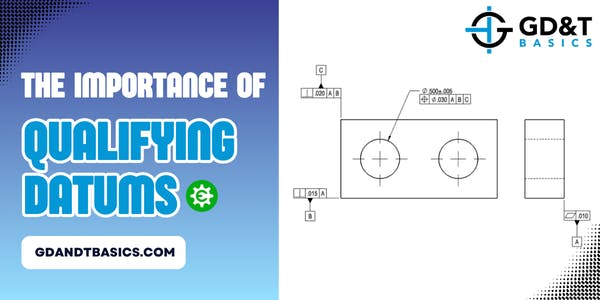
Reliable Datum Features

by Crystal Bemis on August 6, 2024.

In this Question Line video, Jason discusses reliable datum features. He explains that unreliable datum features can be avoided by following the functional intent of the part and walks through two drawing examples to explain the thought process behind selecting datum features.
When to use DML Straightness

by Crystal Bemis on July 23, 2024.

Brandon walks through examples of surface straightness and derived median line straightness, explaining correct application and inspection considerations.

When to Use DMP Flatness

by Crystal Bemis on July 18, 2024.

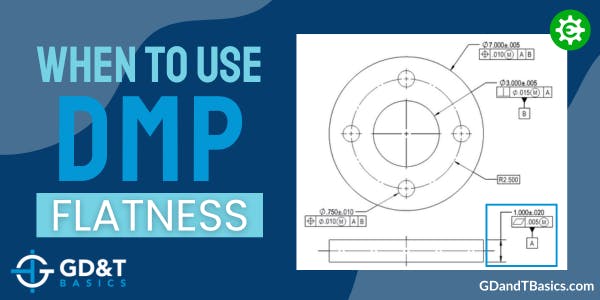
Brandon explains DMP flatness, its potential issues when used on stacking parts, and an alternative method for controlling flatness on these parts.

When to Use MMC and MMB

by Crystal Bemis on June 25, 2024.

In this Question Line video, Jason reviews a drawing example to explain when Maximum Material Condition and Maximum Material Boundary modifiers may be applied.

Reference Dimensions on True Position

by Crystal Bemis on June 17, 2024.

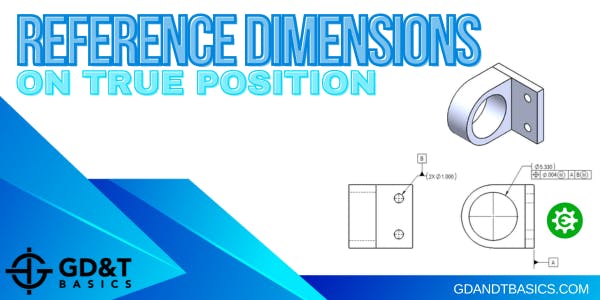
In this Question Line video, Jason walks through an assembly drawing to explain the scenario where a feature being controlled by position must have a reference size dimension rather than a tolerance on the size of the feature.  

Composite Profile Control

by Crystal Bemis on June 3, 2024.

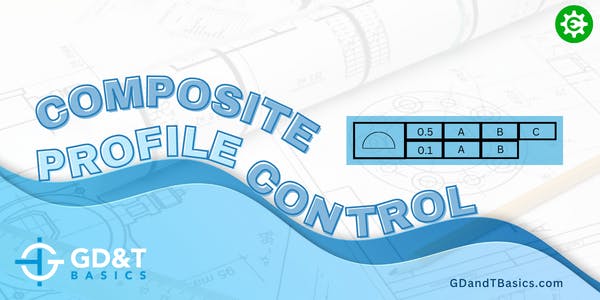
In this Question Line video, Jason discusses a composite feature control frame controlling profile tolerance. He walks through through the user submitted examples to explain the controls of each frame.

Radial Hole Pattern as a Datum Feature

by Crystal Bemis on May 27, 2024.

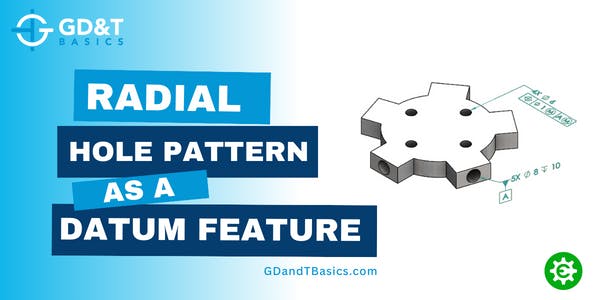
In this Question Line video, Jason responds to a question regarding radial hole patterns as datum features. He discusses how to set up the datum reference frame, how the datum reference frame controls degrees of freedom, and how to apply the Maximum Material Boundary.
Profile Inspection: Vectors in CMM Measurement

by Crystal Bemis on March 4, 2024.

Coordinate Measuring Machines (CMMs) are essential tools for obtaining precise measurements. However, to ensure accurate measurements, it is crucial to understand how to use them correctly. In this video, Jason explains the importance of recognizing and utilizing appropriate vectors when inspecting a profile or irregular surface with a CMM probe.