


From September 14–19, 2026, the manufacturing industry took over Chicago for IMTS, the International Manufacturing Technology Show. With more than 91,000 registrants and nearly 1,800 exhibitors, there was no shortage of things to see, people to meet, or ground to cover.
For GD&T Basics, this was our third time exhibiting at IMTS, and while a lot has changed since our first show, one thing hasn’t: the people and conversations are still our favorite part of exhibiting.
Here’s a look at what we got up to this year, what caught our attention, and a few things we’ve learned after three shows.
GD&T Basics at IMTS 2026: Our Experience
We’re not exactly your typical IMTS exhibitor. We don’t have giant machines or elaborate demonstrations. We’re there to meet people and have conversations that build relationships.
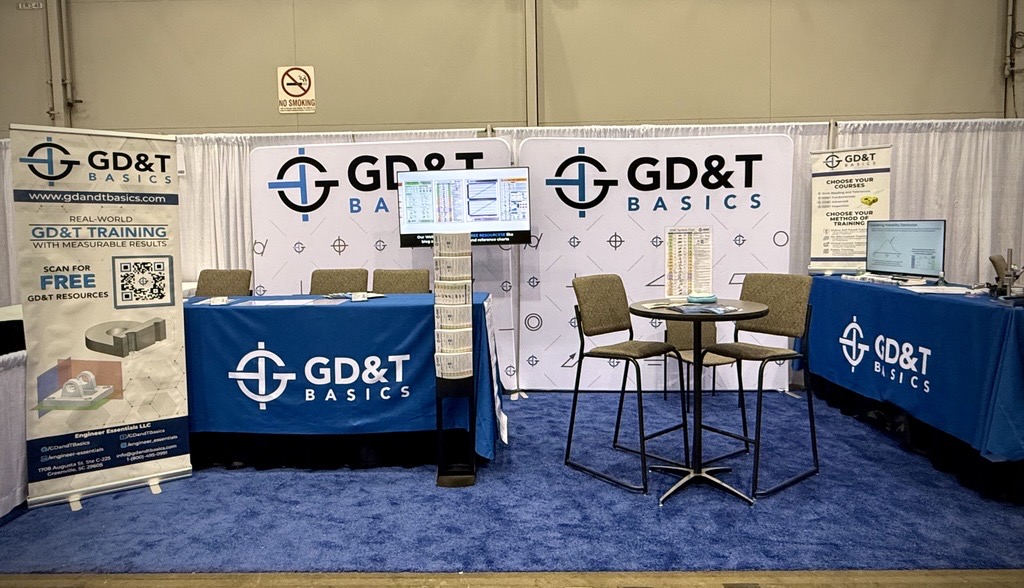
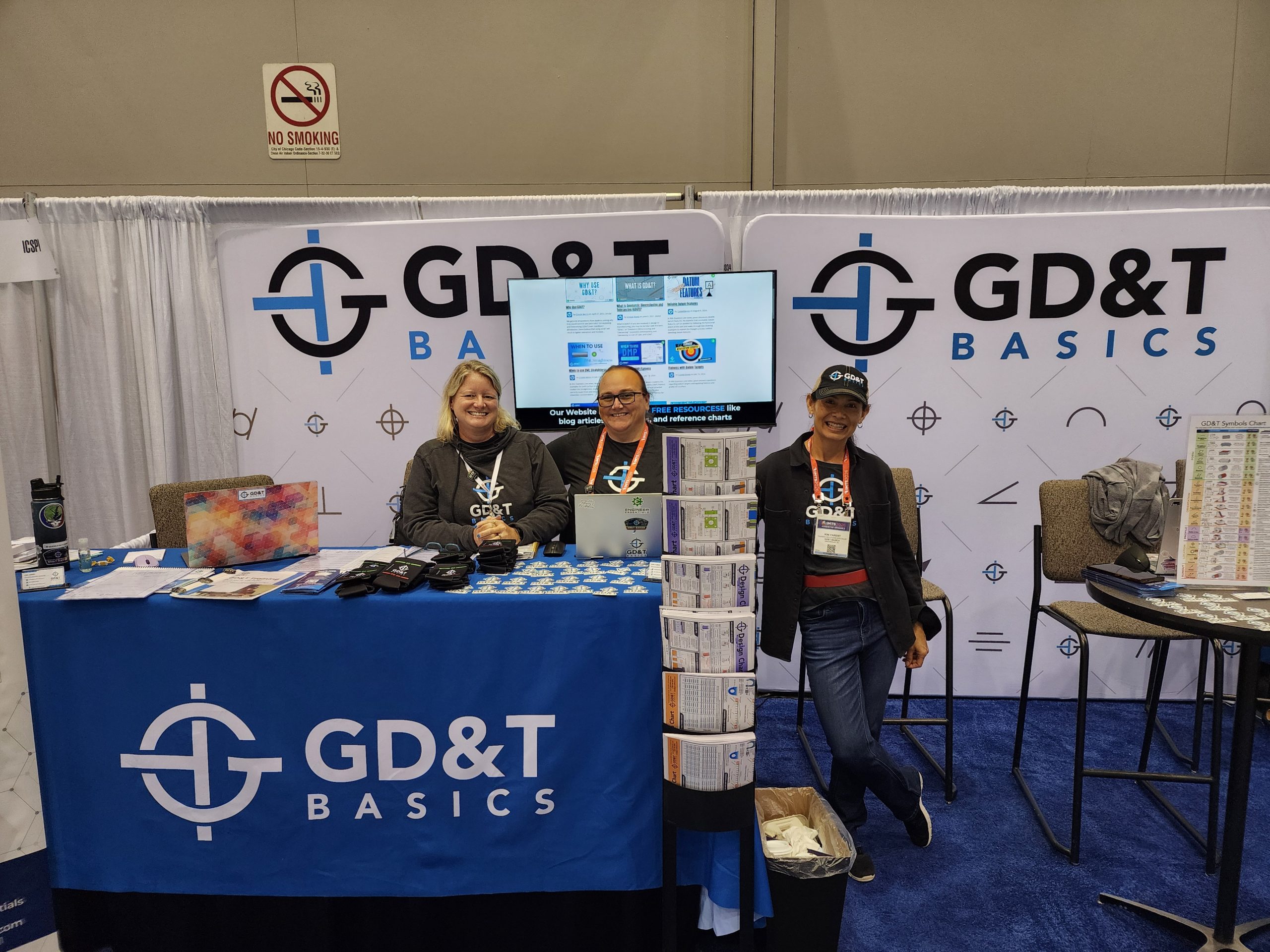
Our 10×20 booth in the East Building’s Quality area was designed to give people room to stop, ask questions, and actually talk through the challenges they encounter at work.
And talk we did!
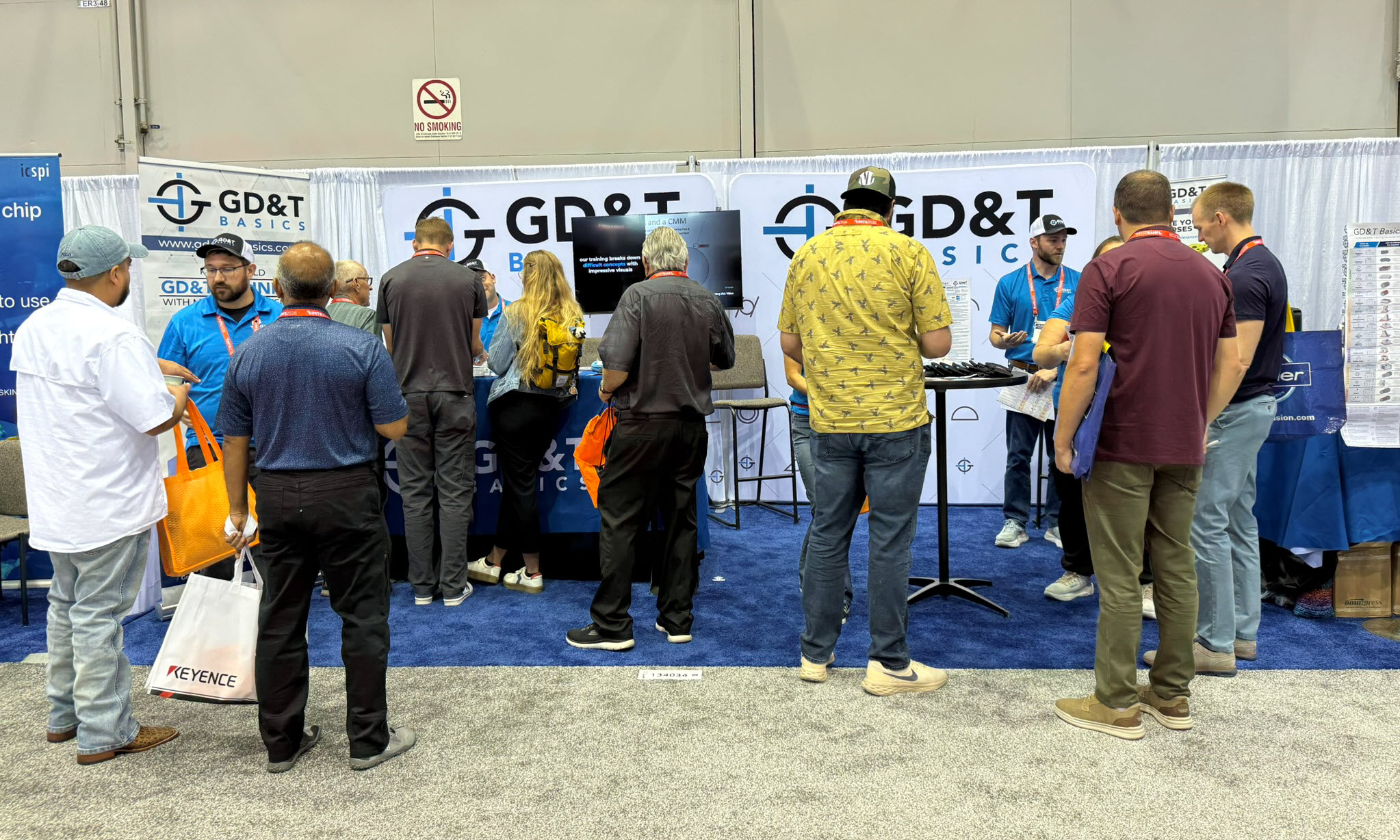
Throughout the week, we connected with engineers, machinists, inspectors, business owners, and others from across the manufacturing industry. Some stopped by with specific GD&T questions or challenges they were facing at work. Others were simply curious about what we do.
One of our favorite parts of exhibiting is meeting people who didn’t even know GD&T Basics existed until they walked past our booth. Several attendees were surprised to discover a company dedicated specifically to GD&T and print reading training at IMTS. What started as curiosity often turned into conversations about real problems they were experiencing with engineering drawings, inspection requirements, or communication between departments.
Taking the Stage at IMTS
This year, we also had the opportunity to speak as part of the IMTS conference program.
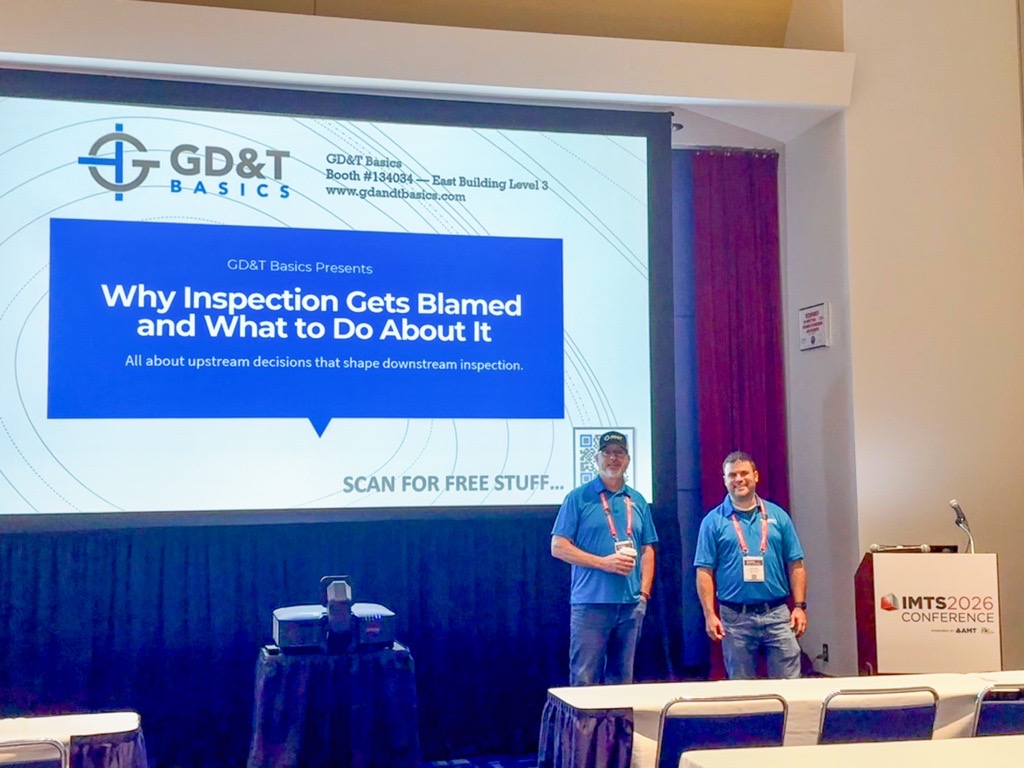
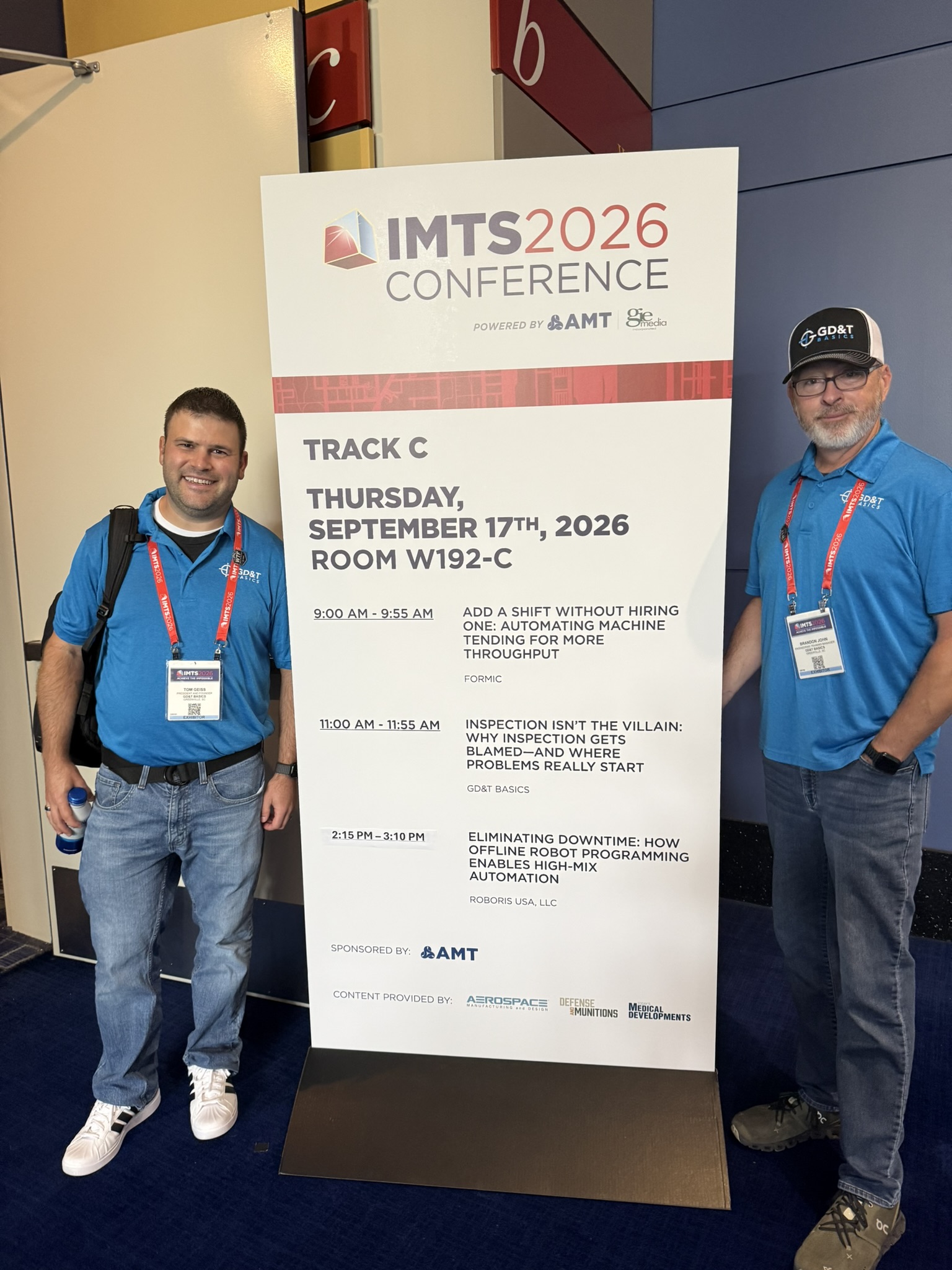
Our founder and president, Tom Geiss, and engineering training manager, Brandon John, presented a session titled “Why Inspection Gets Blamed and What to Do About It: All About Upstream Decisions That Shape Downstream Inspection.”
The presentation focused on a familiar challenge: inspection often takes the blame for problems that actually began much earlier in the design and manufacturing process.
Tom and Brandon discussed how gaps in communication, unclear requirements, and limited understanding of downstream processes can create unnecessary challenges during inspection.
It was a fun new experience for our team, especially when people stopped by the booth afterward to continue the conversation and share their own stories.
Technology That Caught Our Attention at IMTS 2026
Walking the IMTS show floor is always an incredible reminder of just how quickly manufacturing technology continues to evolve.
From advanced automation and robotics to additive manufacturing and increasingly sophisticated inspection systems, there was no shortage of impressive technology on display.
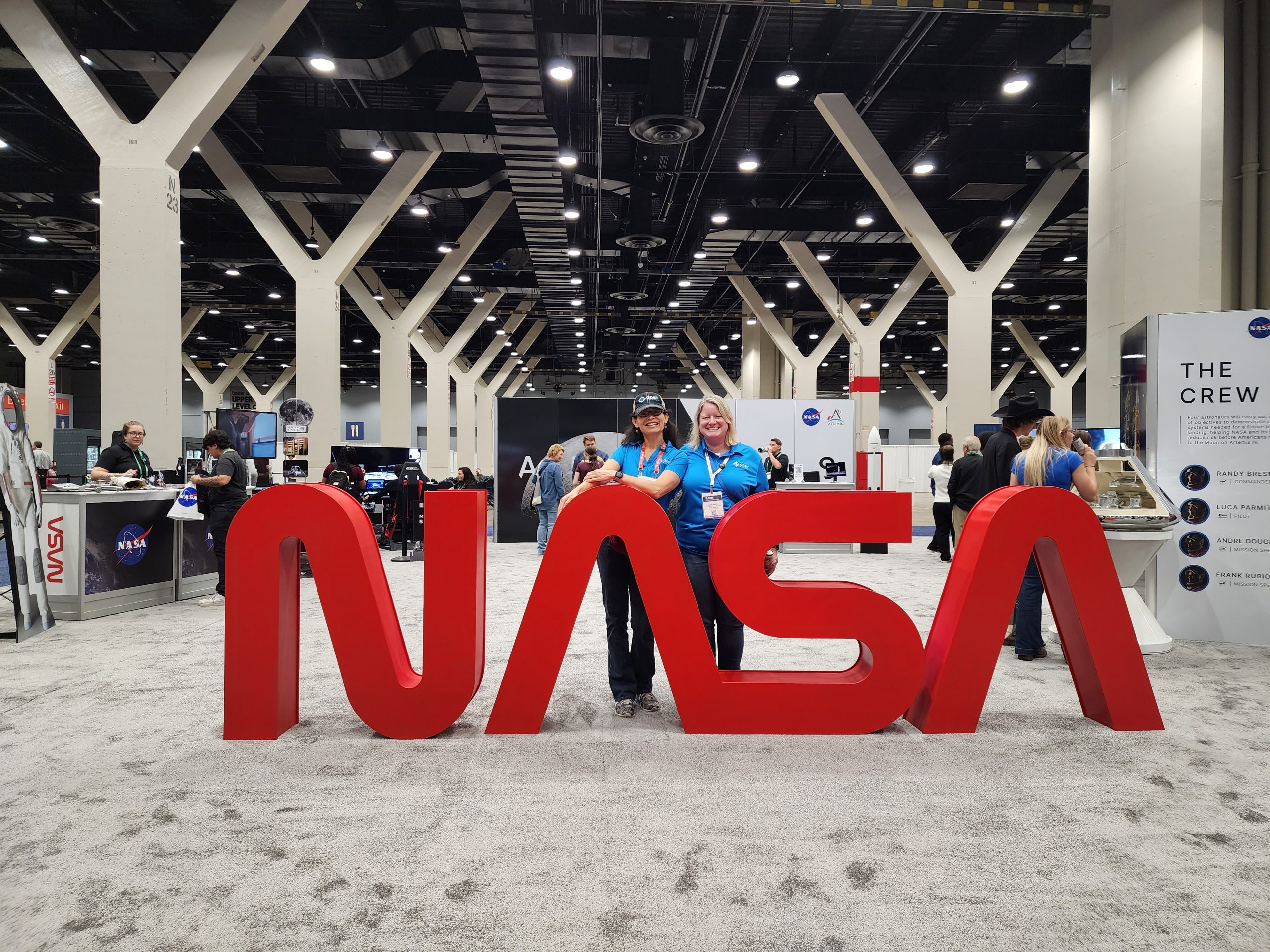
Automation, Robotics, and Additive Manufacturing
Robotics and automation were among the most noticeable technologies throughout the show. We saw everything from advanced robotic systems demonstrating complex movements to automation solutions designed to improve efficiency and expand manufacturing capabilities.
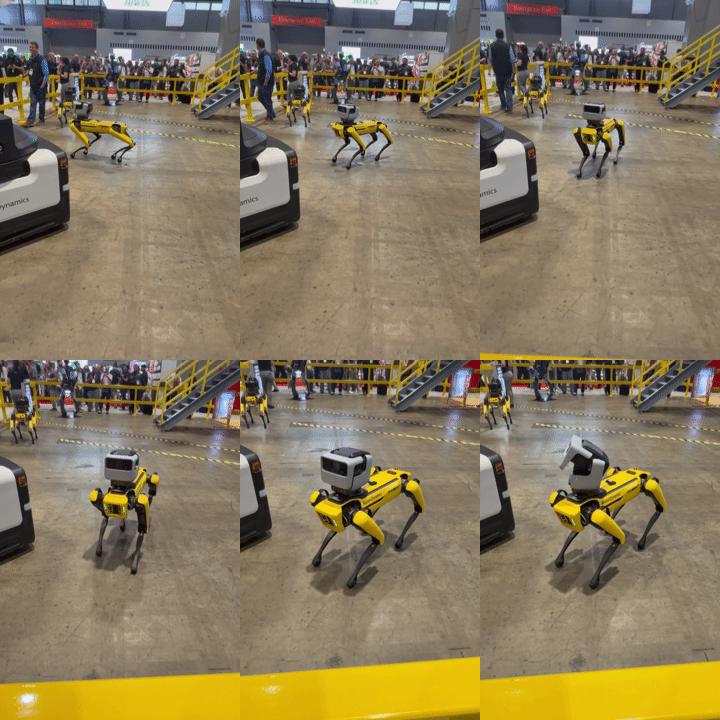
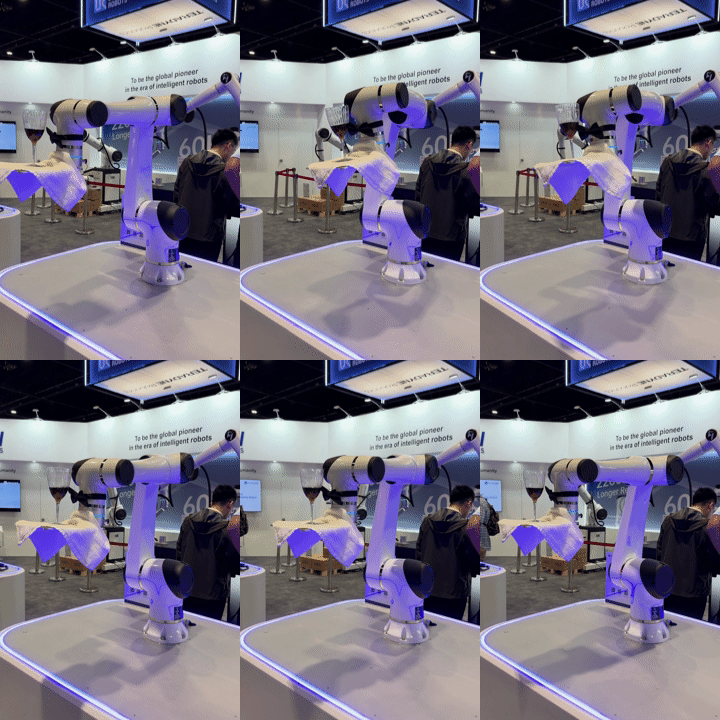
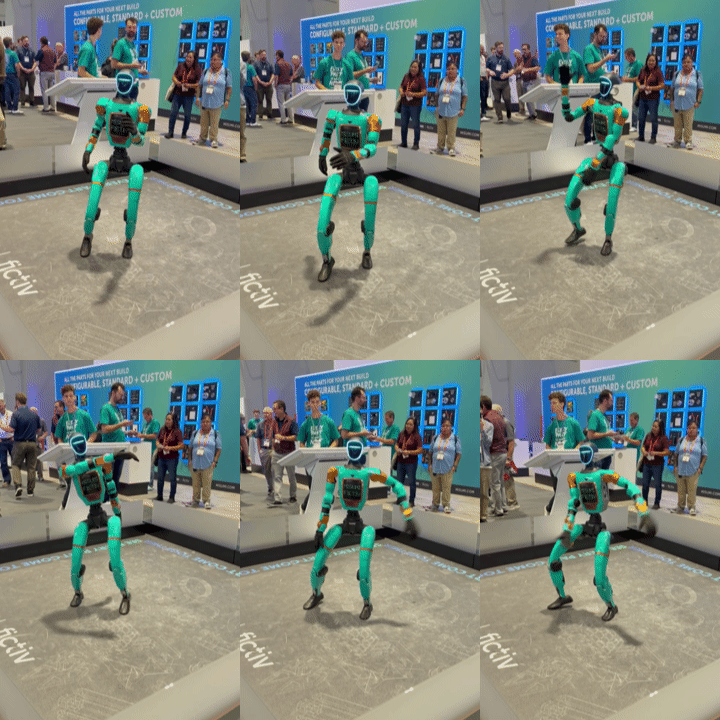
Some memorable highlights included the Boston Dynamics robotic dog, a robotic arm from Universal Robots demonstrating impressive motion control with a wine glass, a fictiv robot that has better dance moves than all of us, and numerous demonstrations of highly advanced machining equipment.
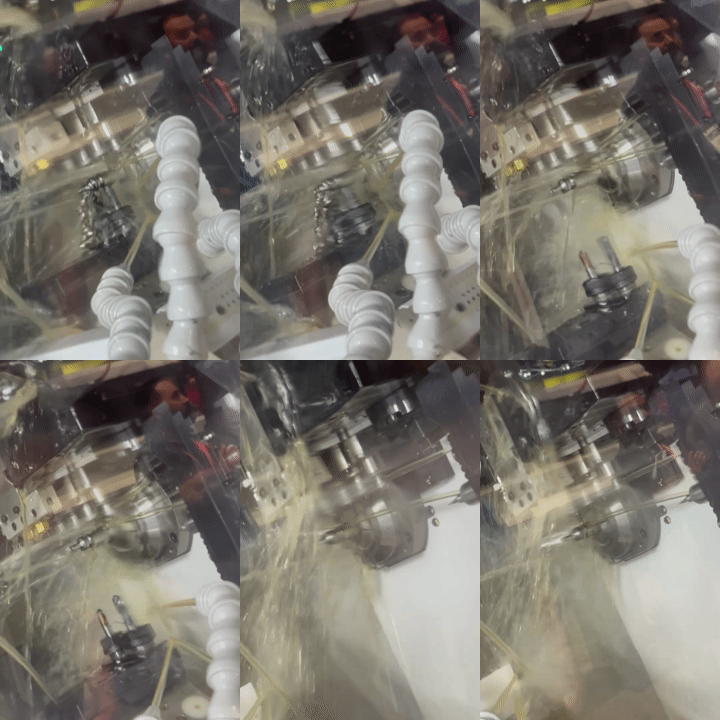
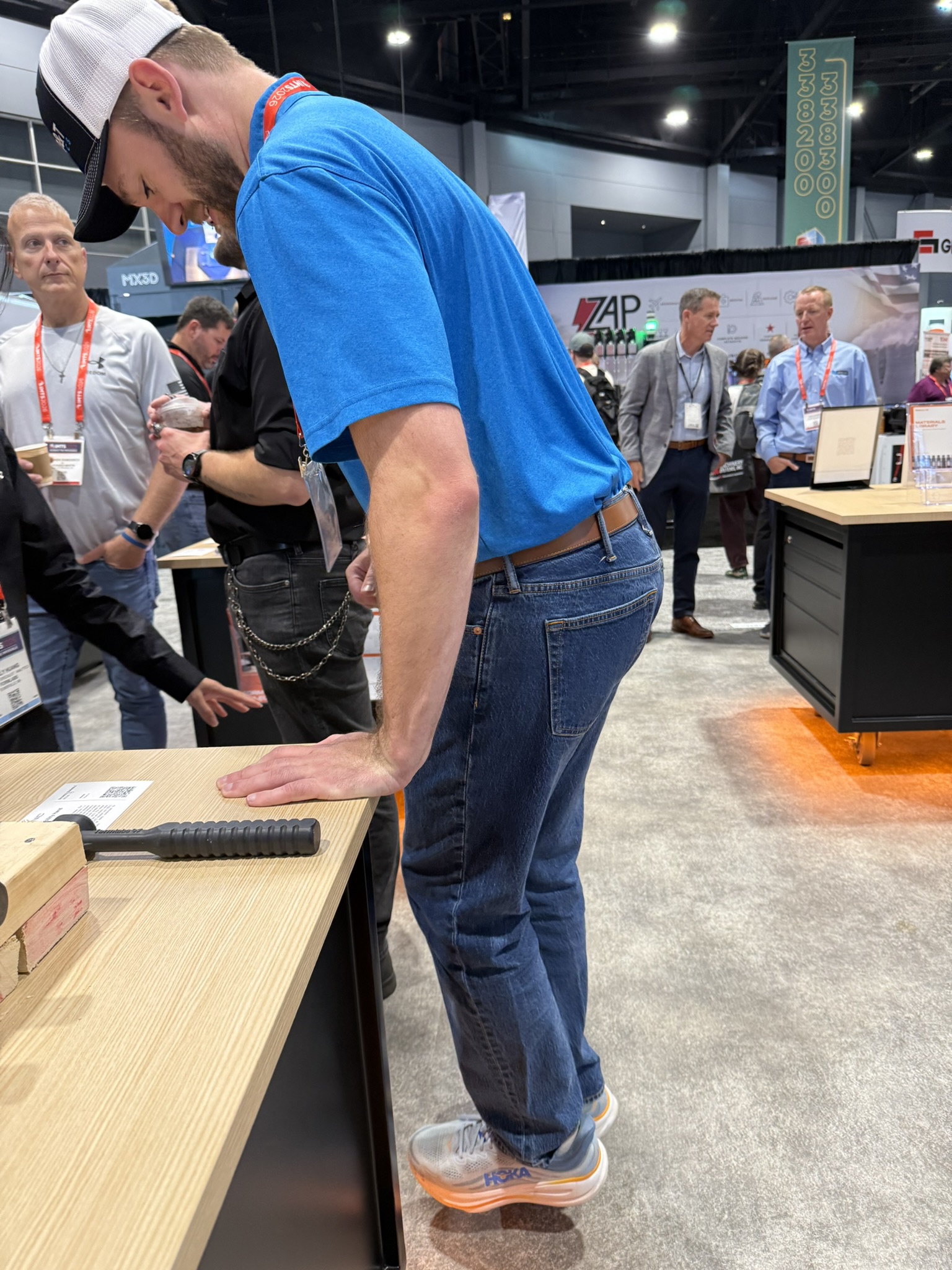
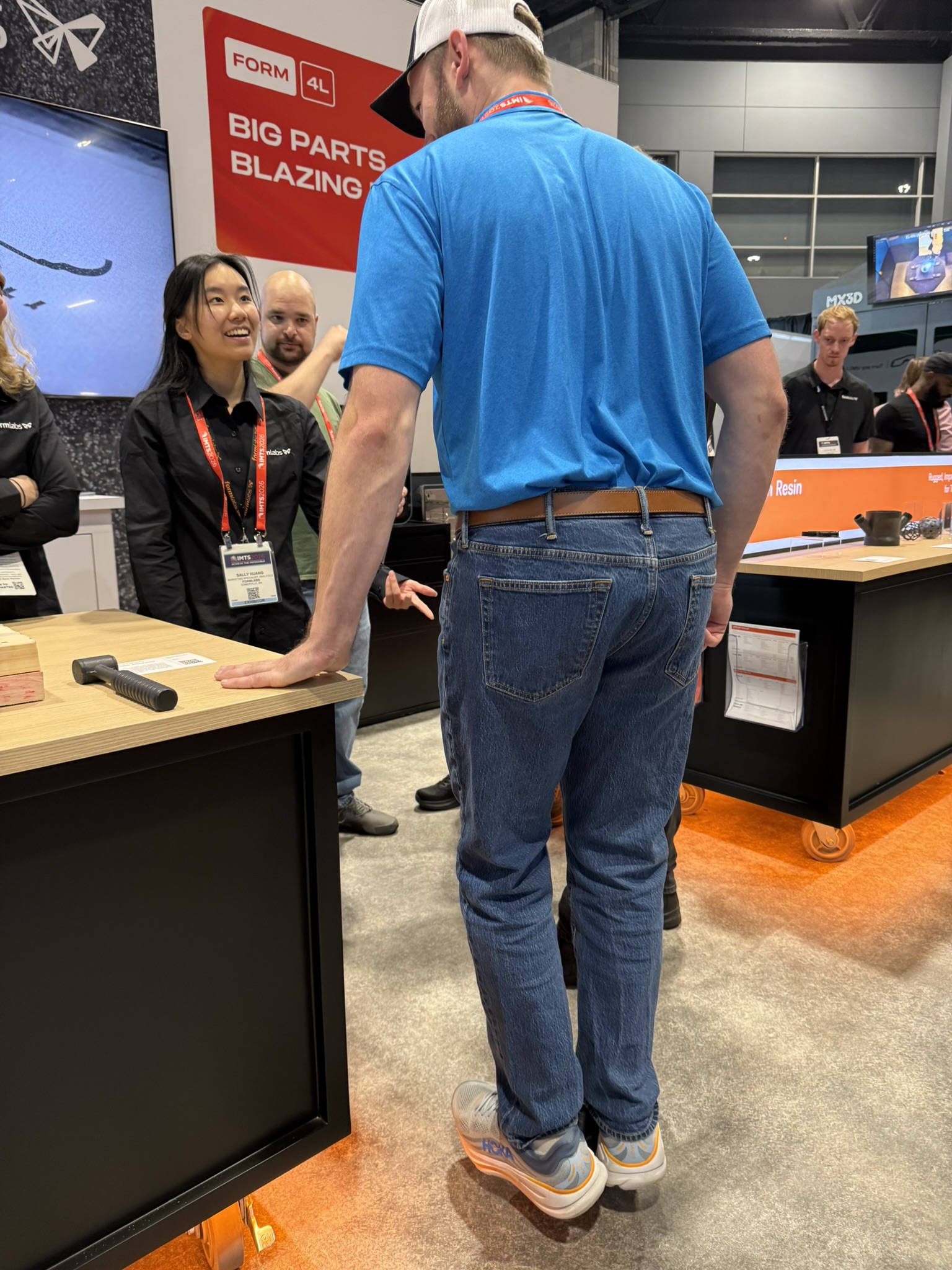
Additive manufacturing was another standout. At the Formlabs exhibit, we saw some particularly entertaining demonstrations of the strength and capabilities of 3D-printed components, including a functional 3D-printed hammer and a part that held up to some rather enthusiastic hands-on testing by one of our trainers, Steve.
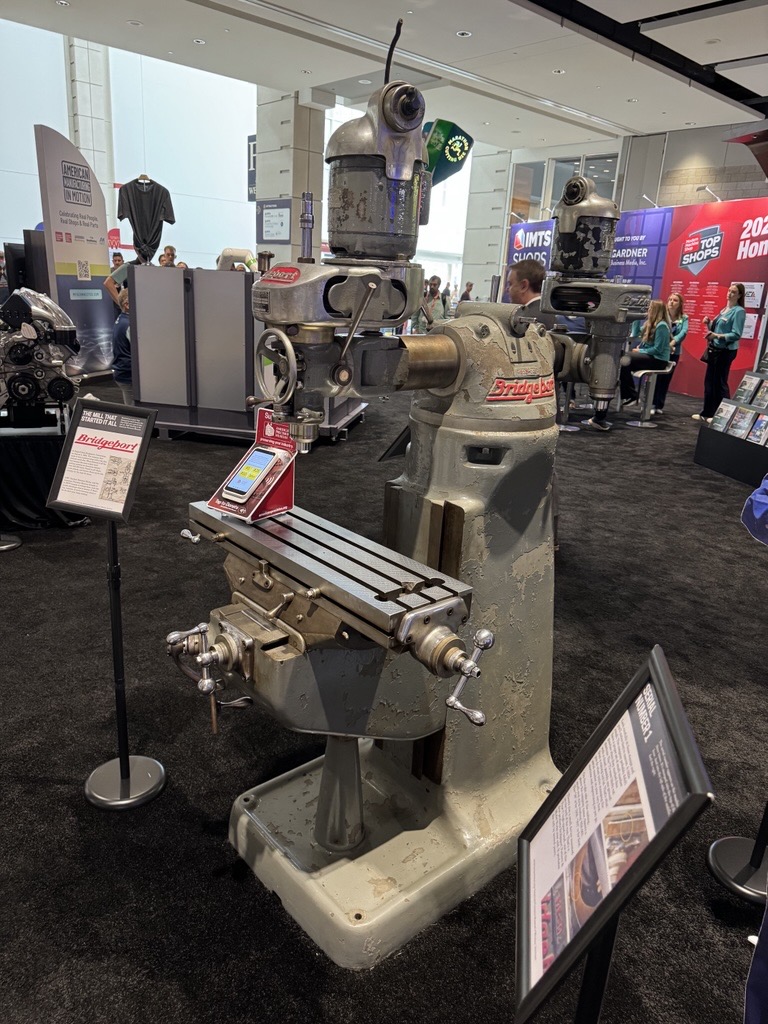
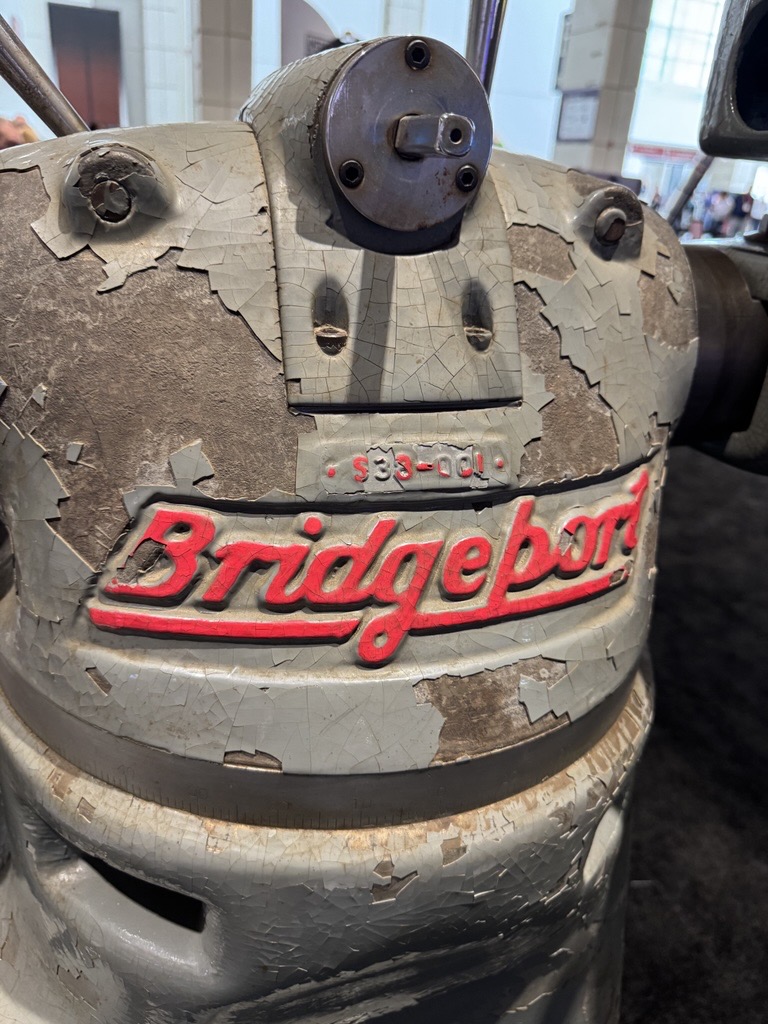
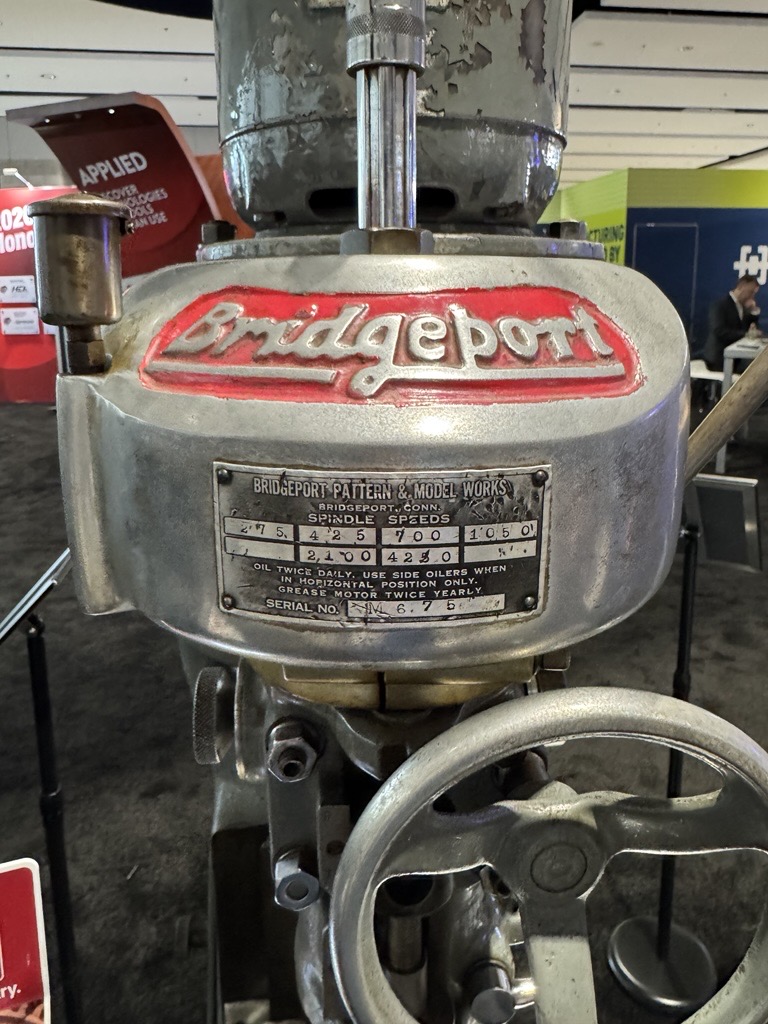
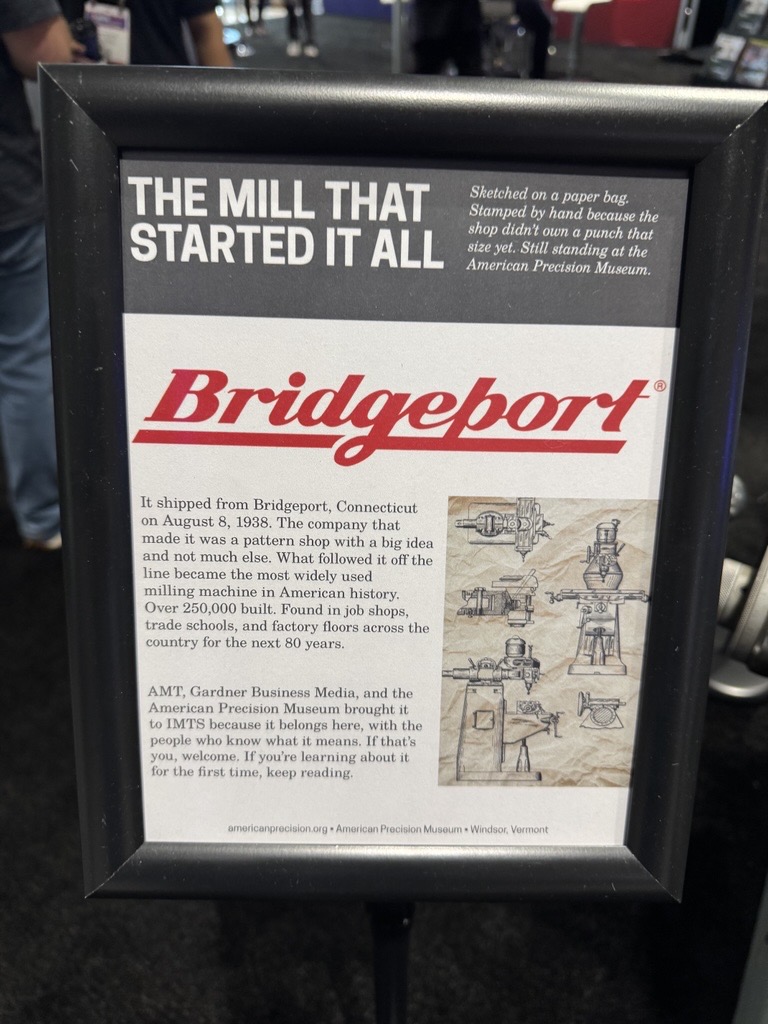
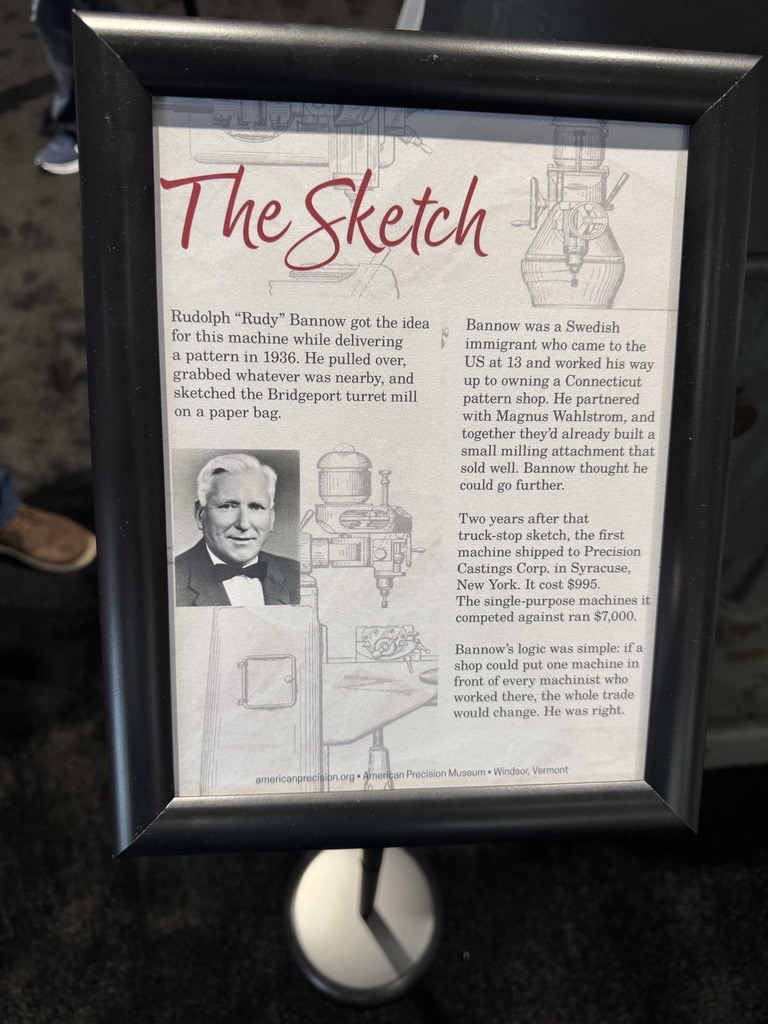
We also appreciated some of the manufacturing history on display, including the very first Bridgeport milling machine, complete with its original engineering drawings.
Artificial Intelligence Was Everywhere
If there was one technology that seemed to appear around every corner at IMTS 2026, it was AI.
Artificial intelligence was being incorporated into everything from manufacturing software and automation to inspection and quality processes.
There’s clearly potential for AI to improve manufacturing efficiency, reduce repetitive work, and help organizations make better use of their data.
But as with any emerging technology, understanding what these systems actually do, how their results are validated, and where human expertise is still required is critical.
We’re excited to see where AI takes manufacturing, but we’re also curious to see how some of these promises actually play out in the real world.
Why Strong Fundamentals Still Matter
All this new technology is impressive, but it doesn’t change the importance of getting the basics right. If anything, it makes them even more important.
A sophisticated inspection system still needs clearly defined requirements. Automated equipment still relies on accurate design information. And even the most advanced manufacturing process can’t compensate for an engineering drawing that leaves critical information open to interpretation.
Geometric Dimensioning and Tolerancing (GD&T) provides a standardized language for communicating design intent, helping engineering, manufacturing, and inspection teams understand the requirements of a part consistently.
But simply putting GD&T symbols on a drawing isn’t enough. The people creating, manufacturing, and inspecting that part need to understand what those symbols communicate and how the requirements affect their work.
This message was at the heart of our IMTS presentation, too.
A drawing can be technically compliant with a standard and still create unnecessary challenges for inspection. When design, manufacturing, and quality teams operate independently, assumptions and misunderstandings can turn into costly problems.
The solution isn’t necessarily more sophisticated equipment. Sometimes it’s better communication, earlier collaboration, and making sure everyone understands the requirements from the beginning.
Conversations and Connections Made IMTS Memorable
As a company that operates primarily virtually, we spend much of our time working with customers, students, and industry professionals through emails, phone calls, online meetings, and sometimes virtual training.
IMTS gives us a chance to connect with those same people in person.
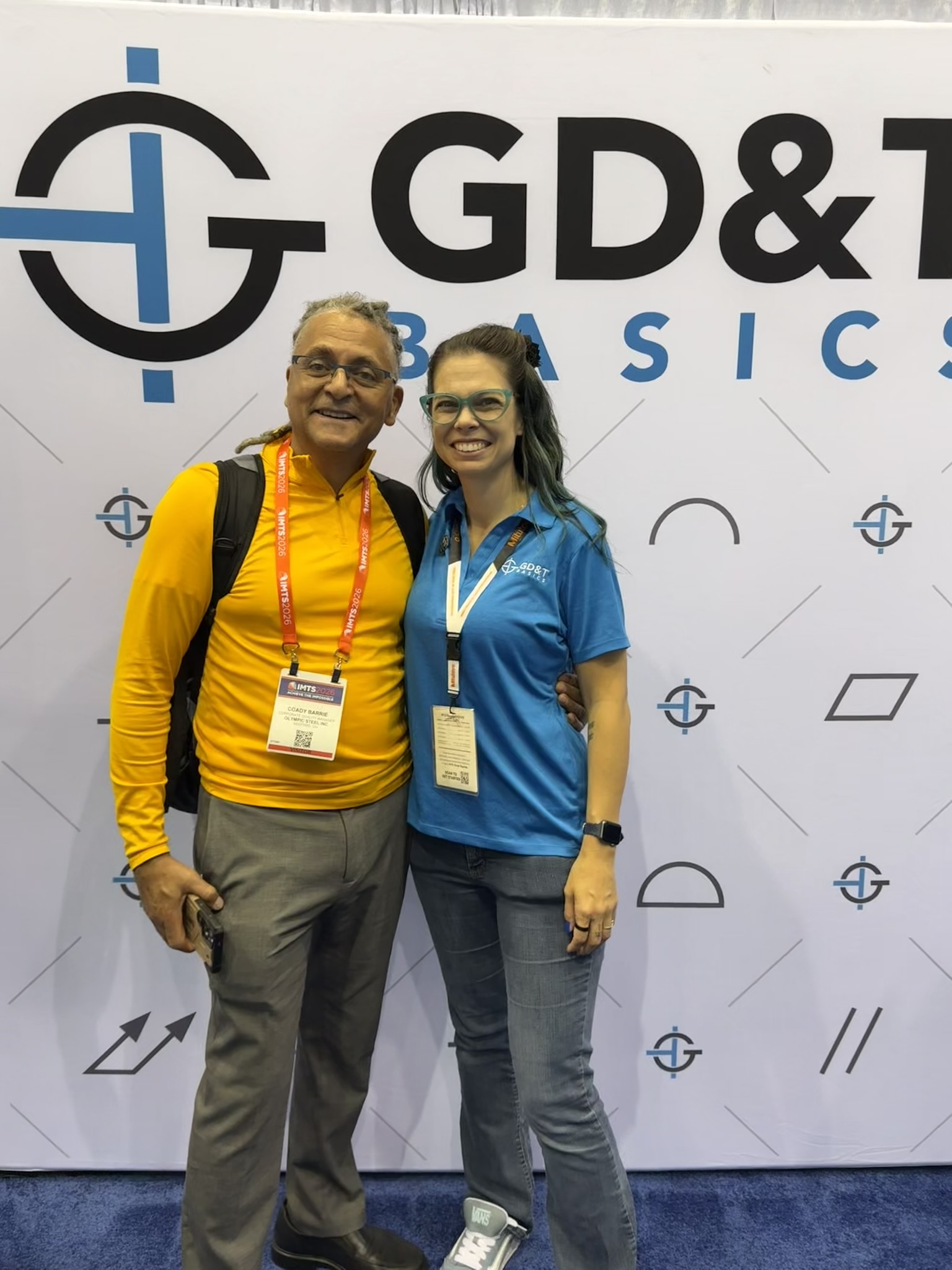
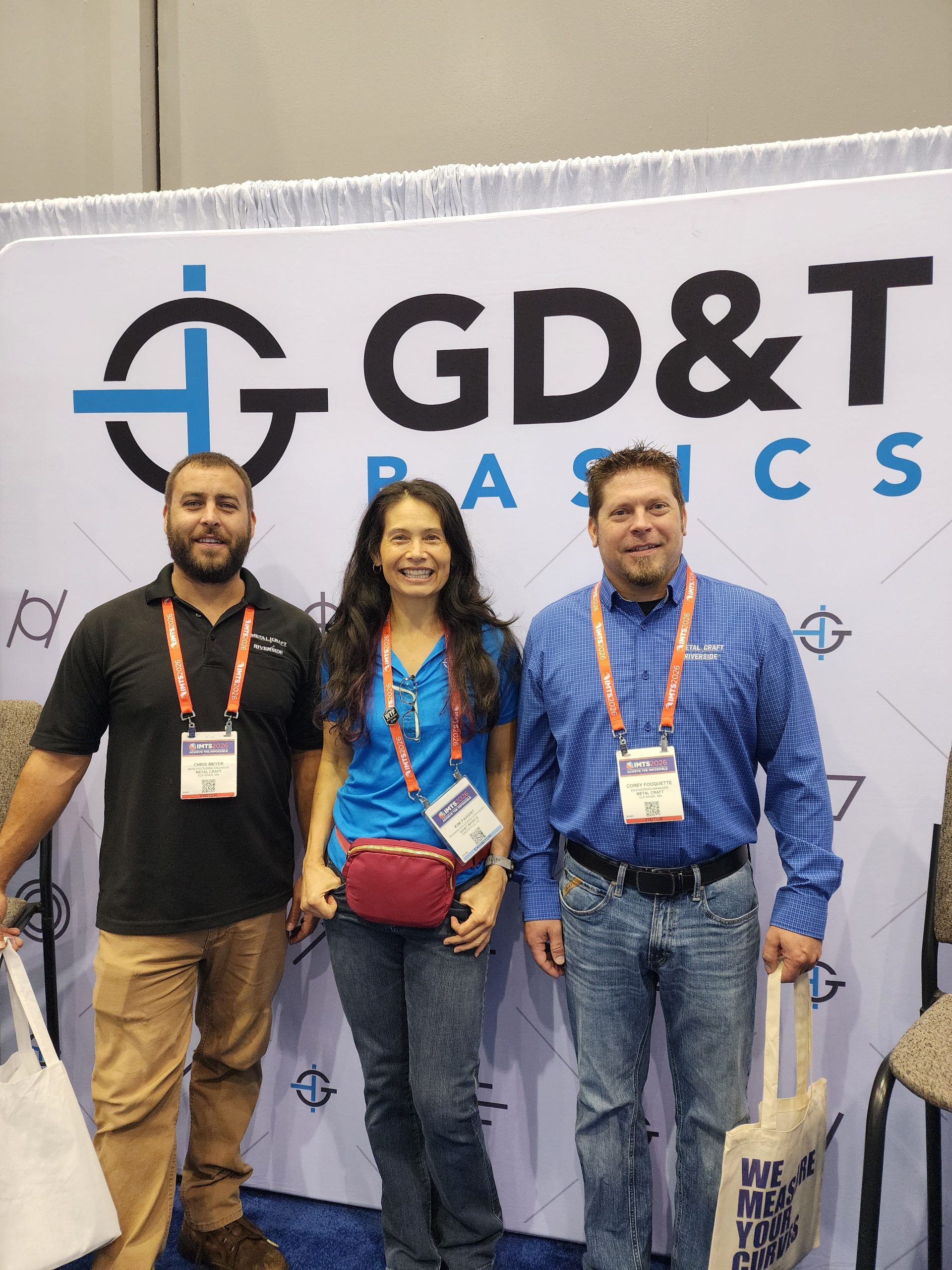
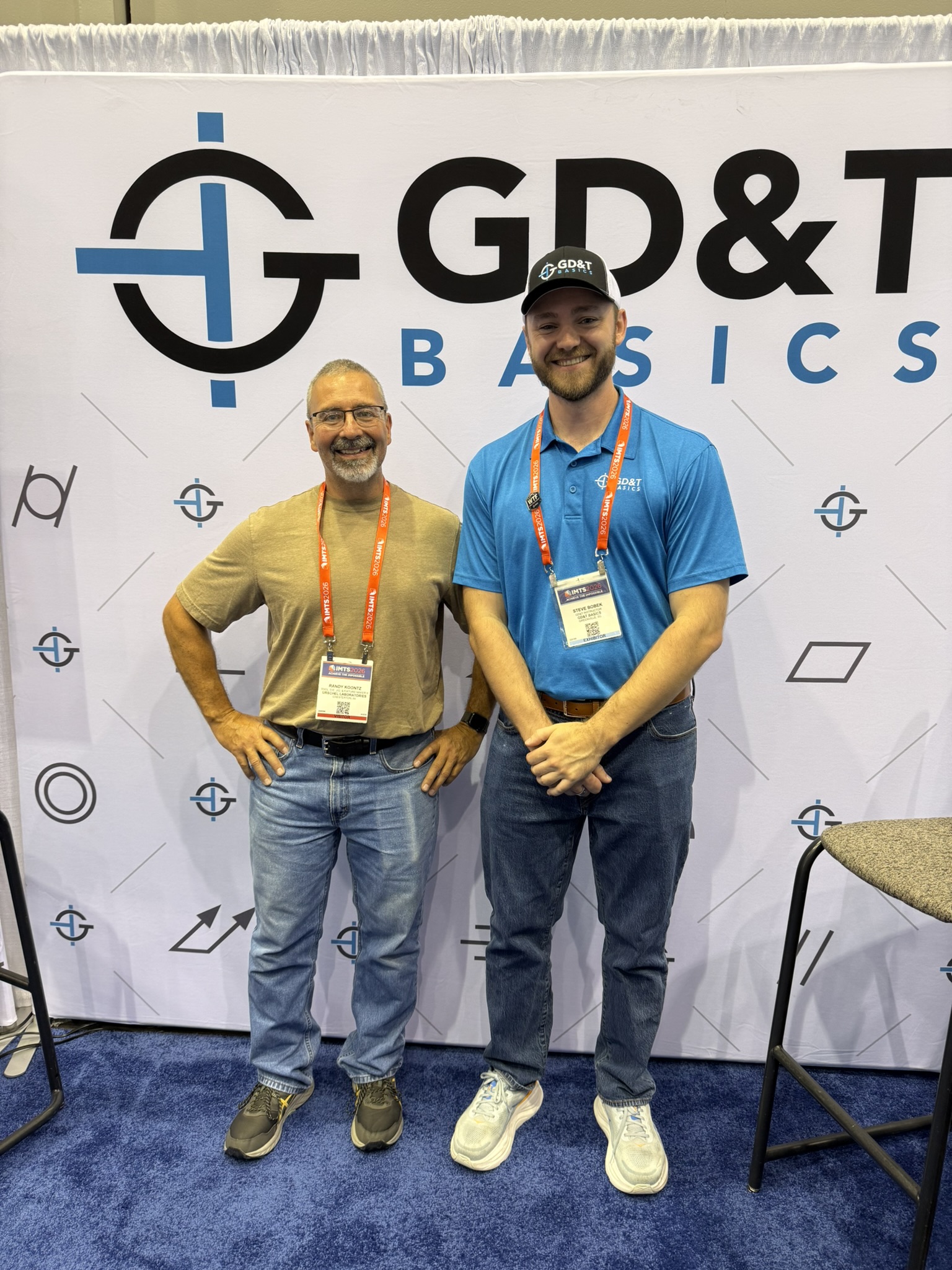
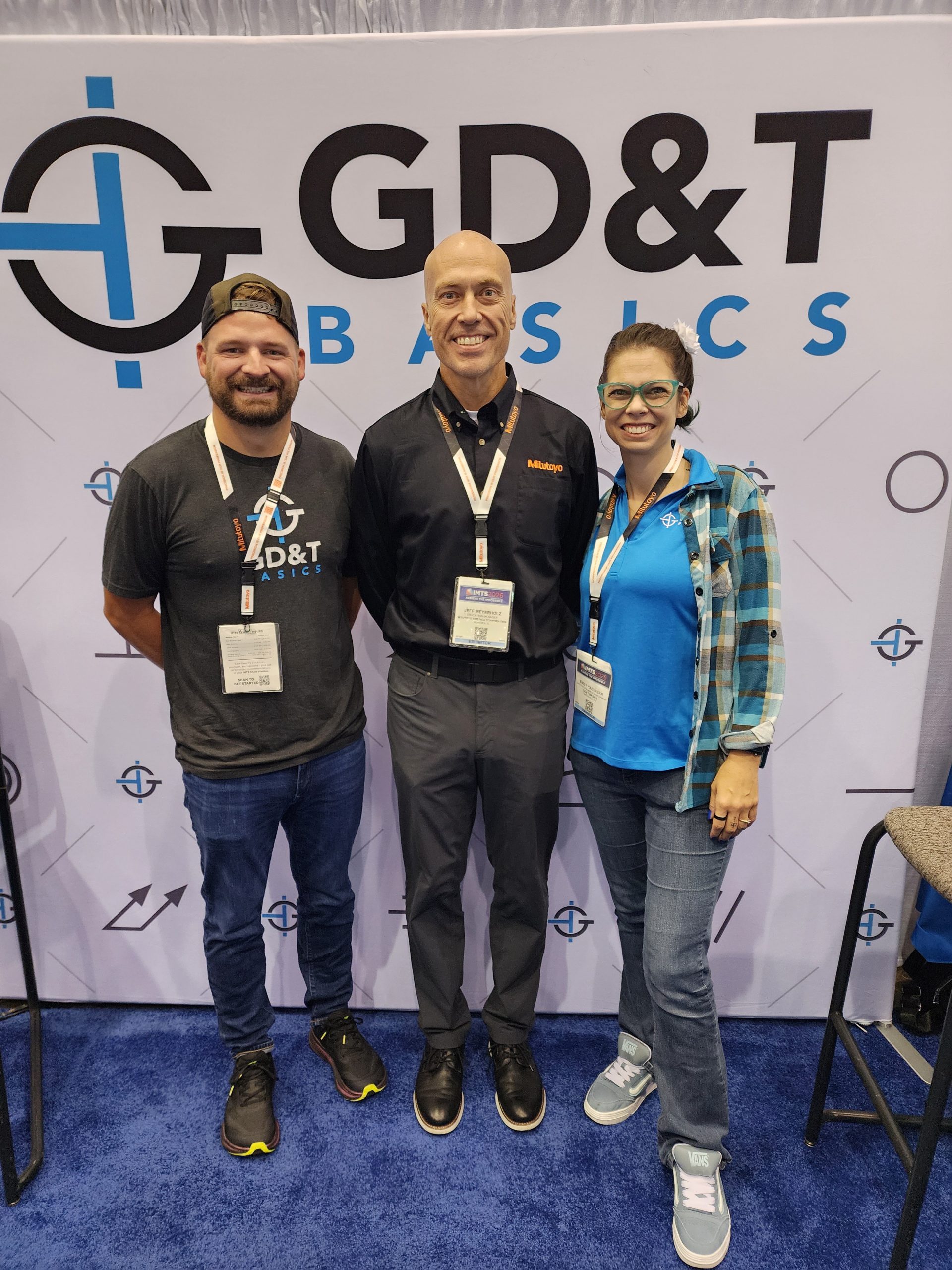
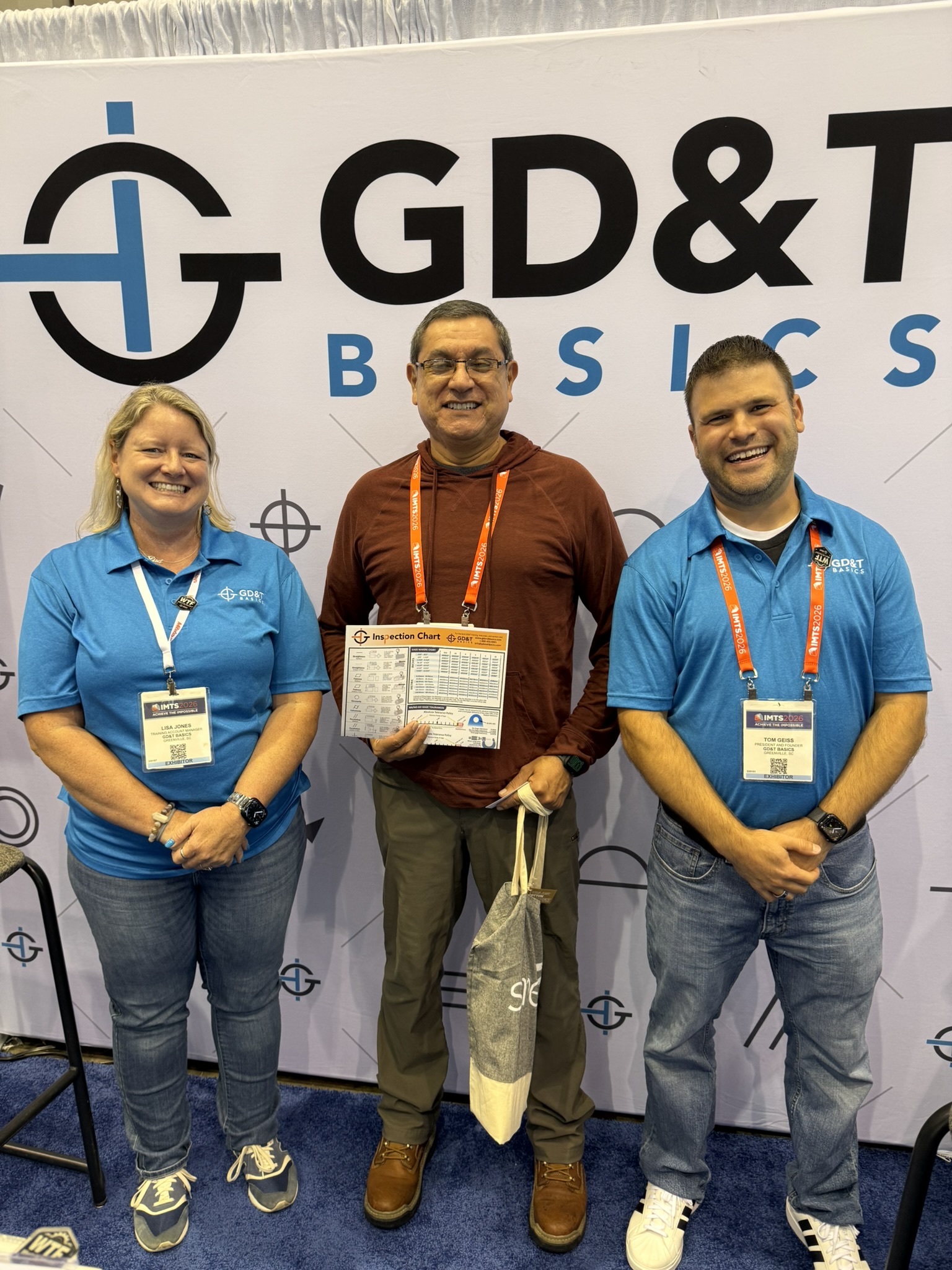
This year, we met customers we’ve worked with for years but had never actually had the chance to shake hands with. We also welcomed attendees who remembered meeting us at previous shows and wanted to share how they’d continued using our resources.
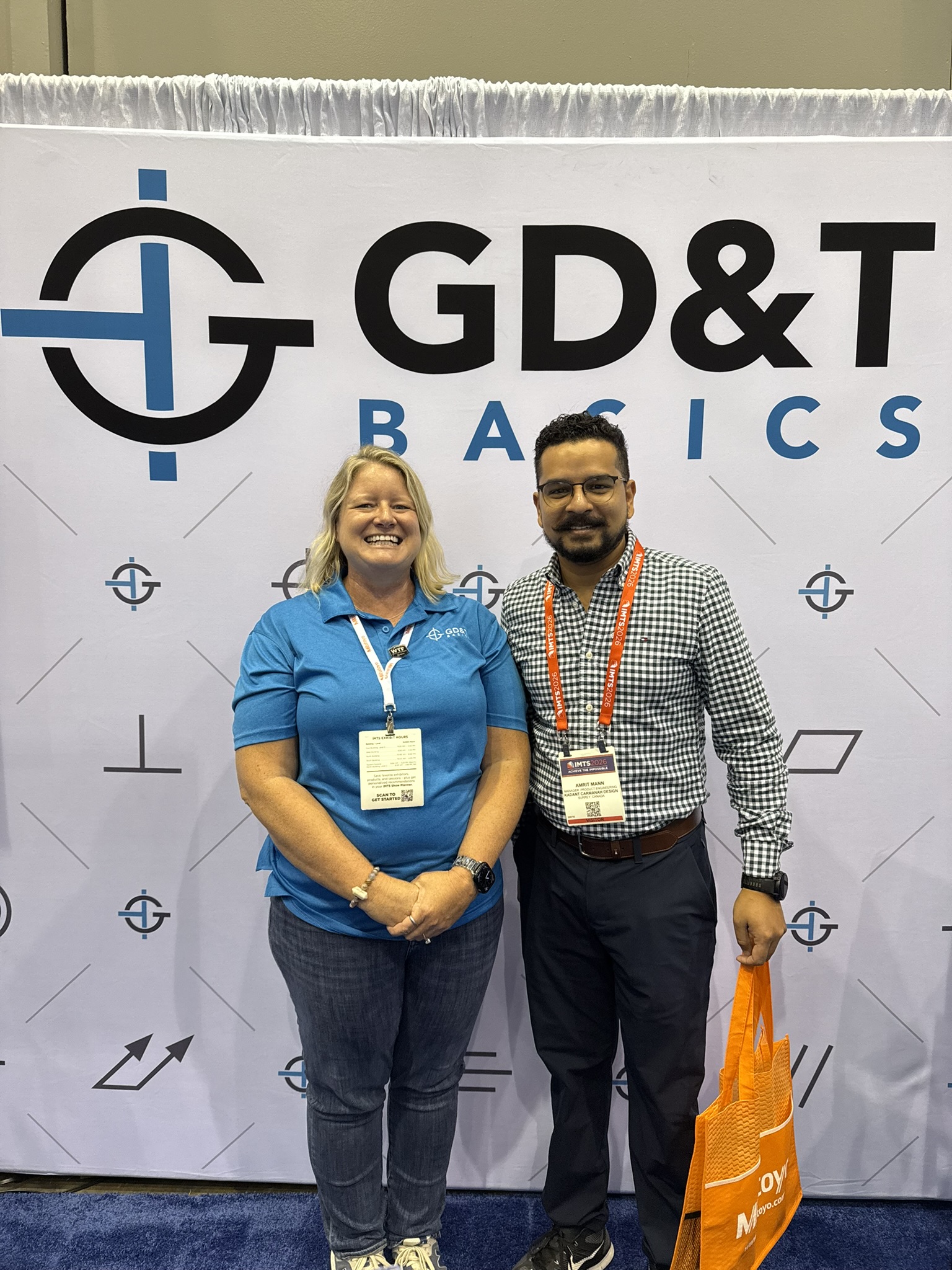
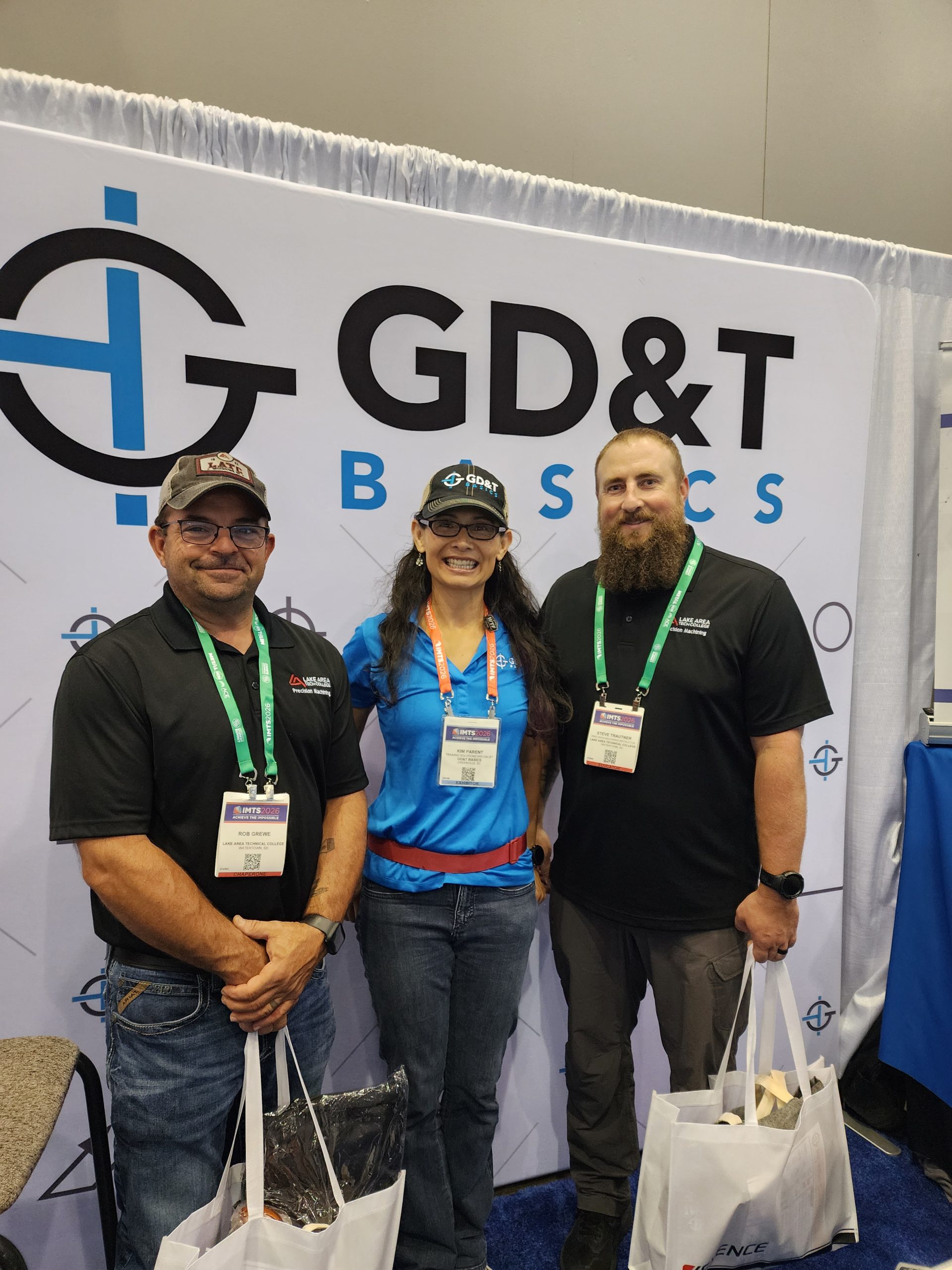
Hearing that someone uses our GD&T charts regularly, has taken our courses, or follows our newsletter (or even our memes!) is always incredibly rewarding.
It’s one thing to know people are using the resources we create. It’s another to meet them face-to-face and hear how those resources have helped.
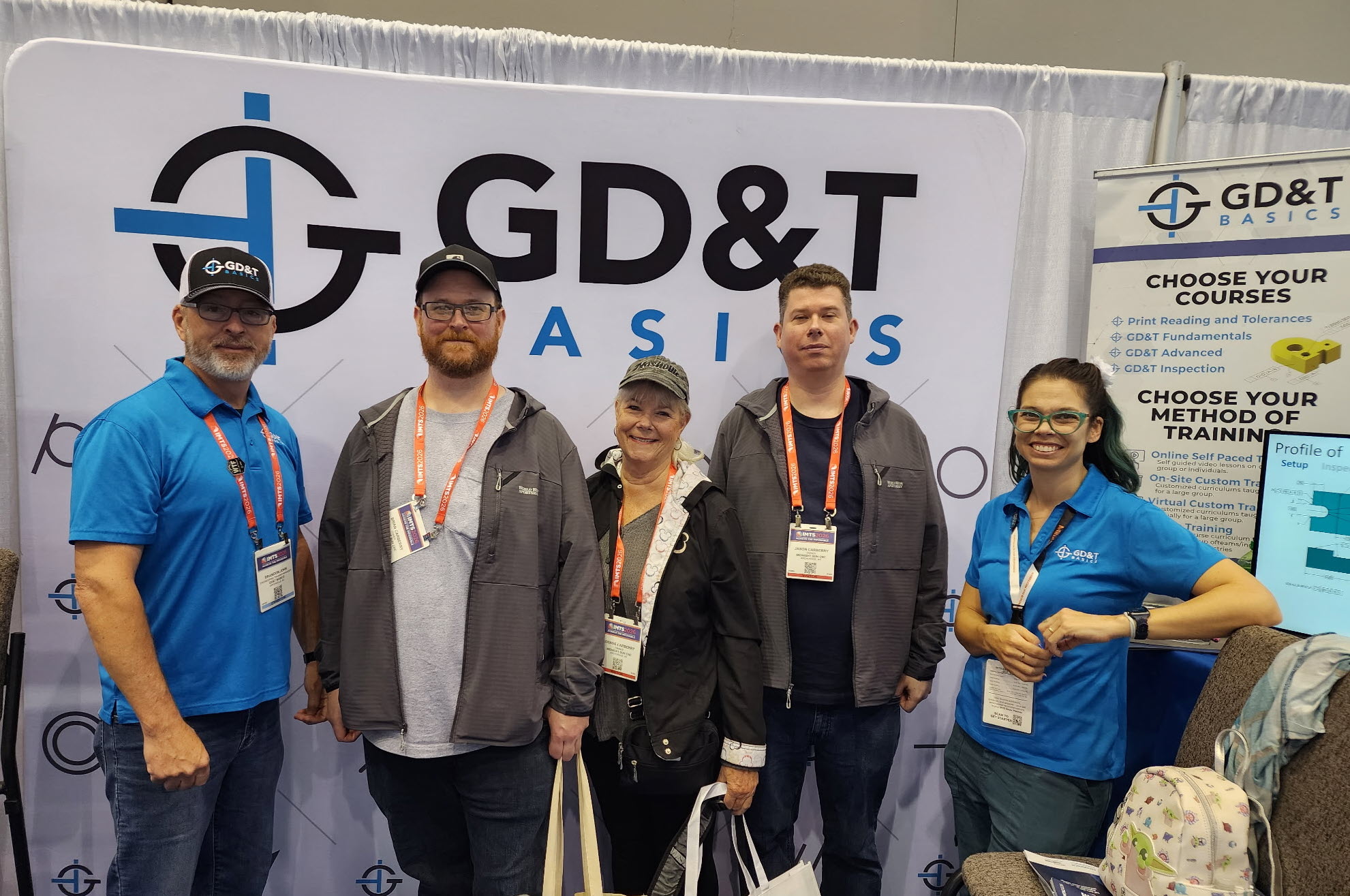
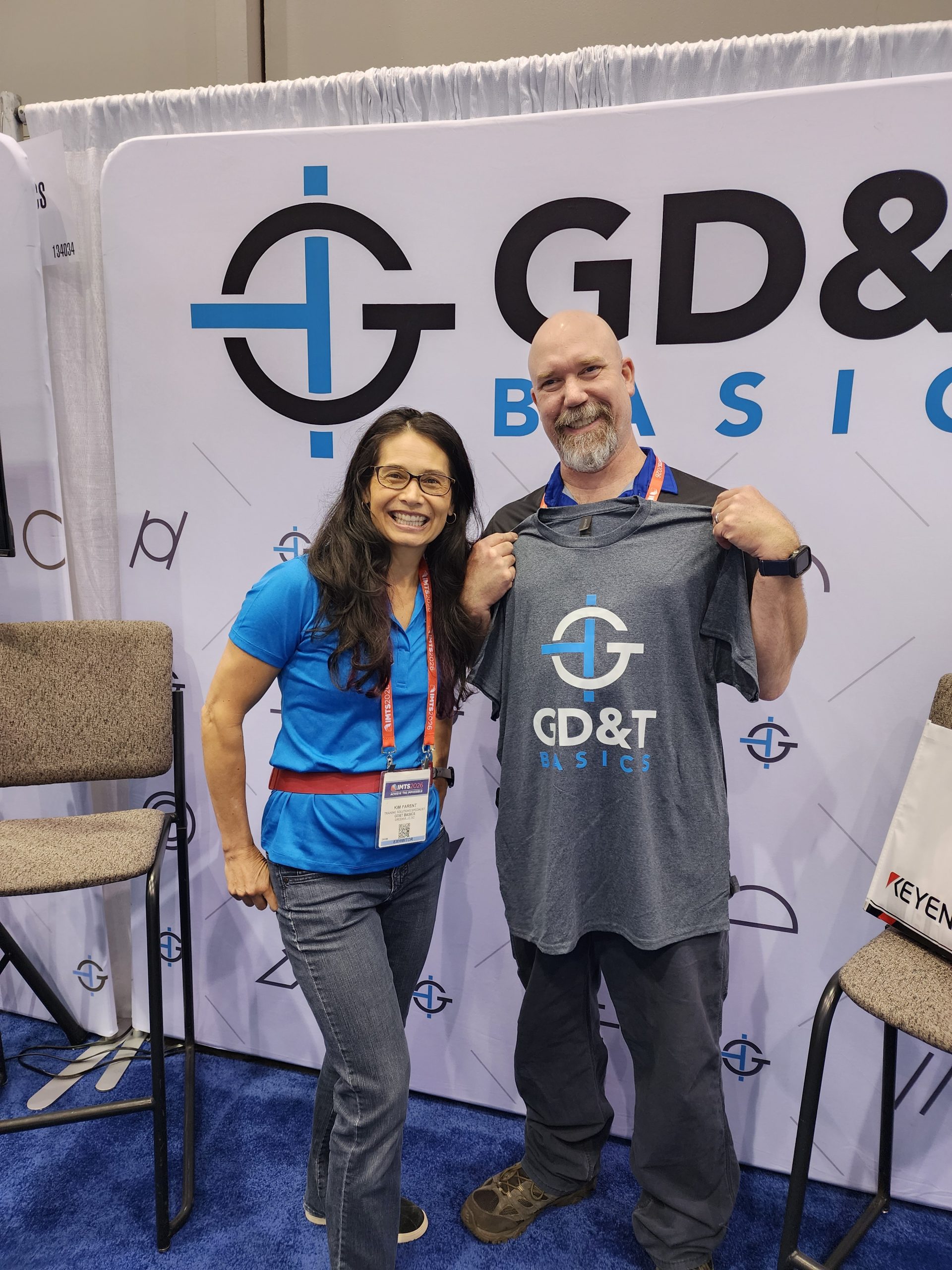
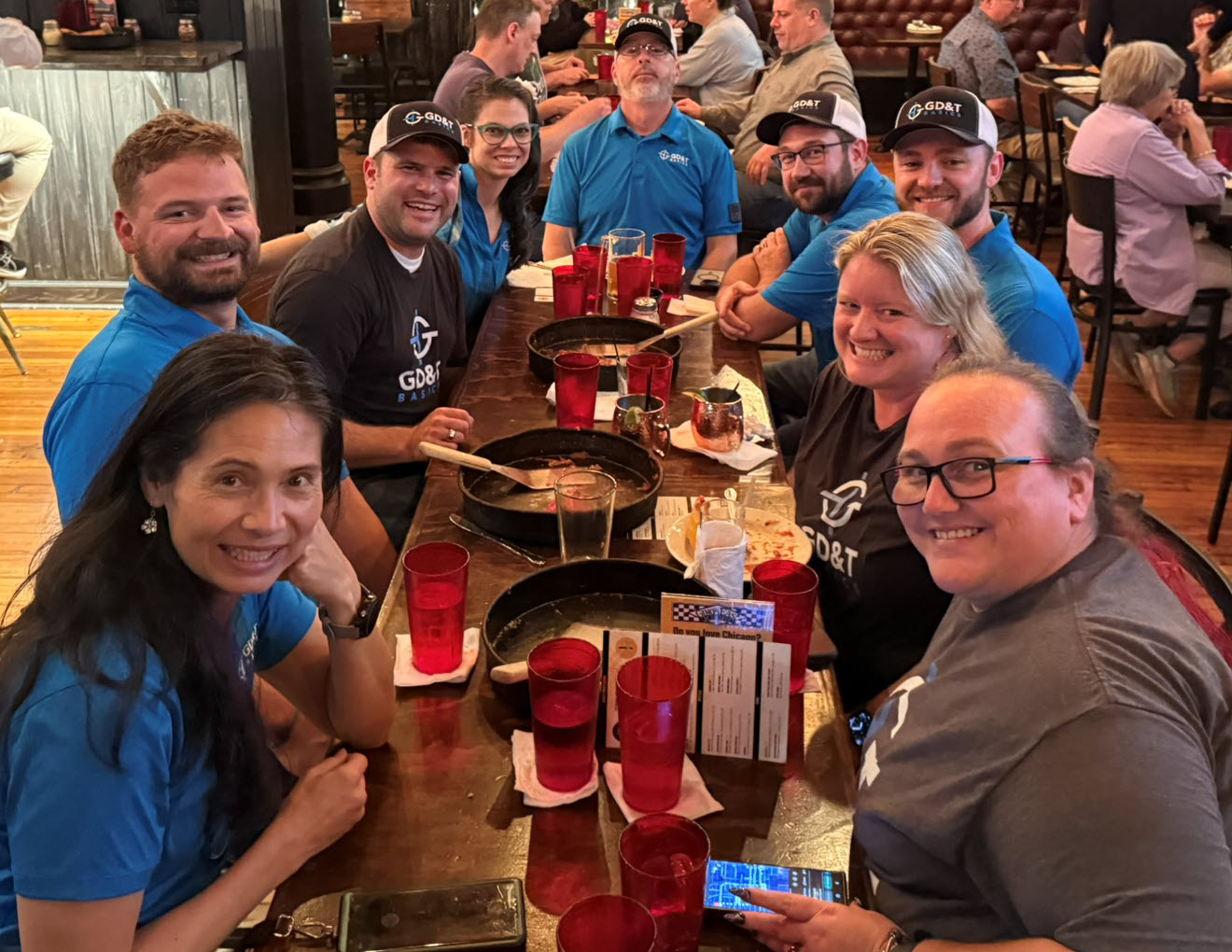
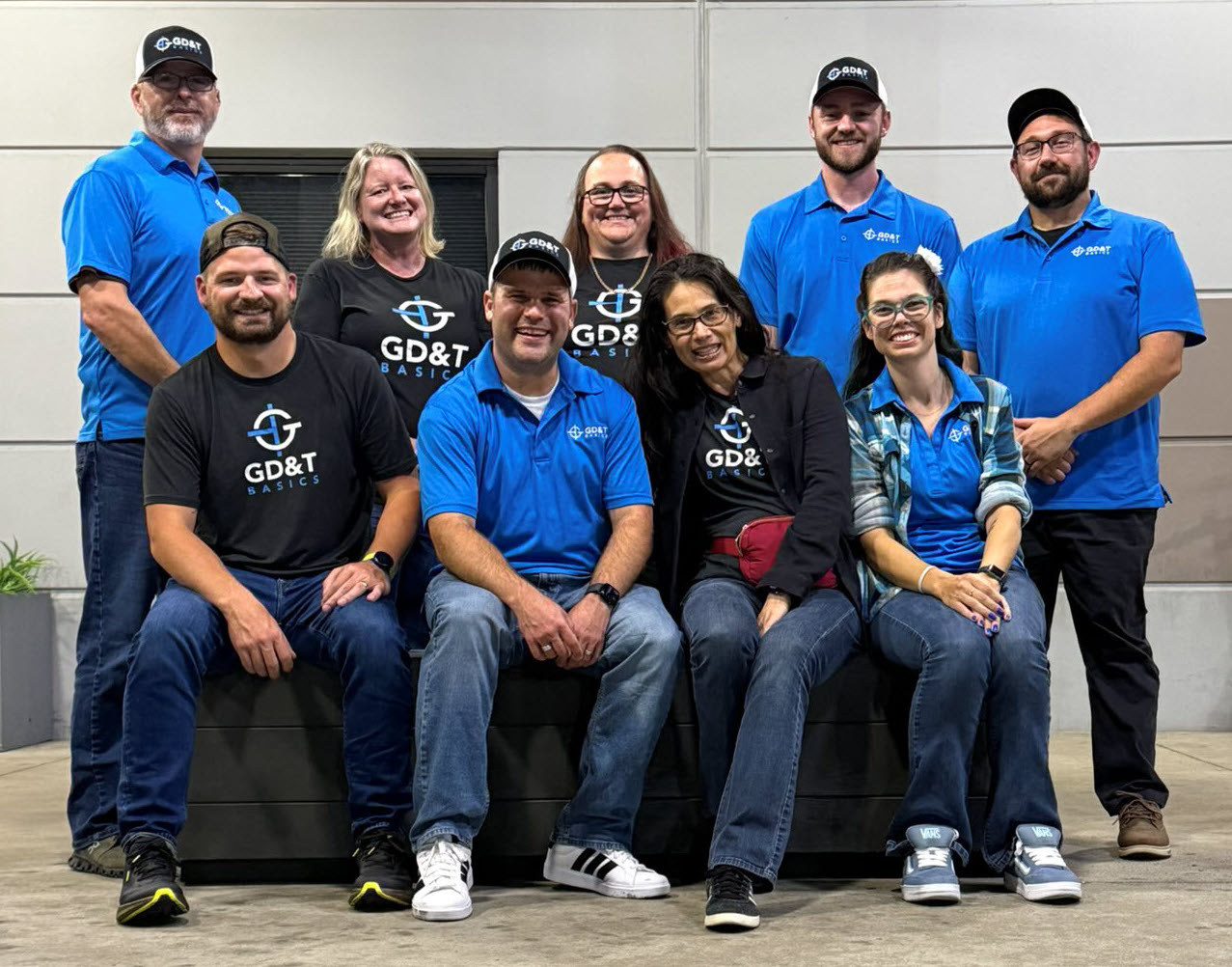
Of course, IMTS is also an opportunity for our own team to spend time together.
Nine of us from GD&T Basics made the trip to Chicago this year, which meant a whole week of getting to work together and hang out in person instead of through a computer screen.
Between long days at McCormick Place, team dinners, Chicago deep-dish pizza, and our increasingly established IMTS traditions, we managed to fit quite a bit into one week.
By the time Saturday rolled around, we were exhausted, but it was absolutely worth it.
A Few Things We’ve Learned After Three IMTS Shows
Three IMTS shows in, and we’ve learned a thing or two.
To our fellow exhibitors, stop scanning badges just to scan badges.
We said it after IMTS 2022, and after three shows, we still feel the same way.
Not everyone who stops by your booth needs to become a sales lead. Sometimes people just want to ask a question, check out what you’re doing, or have a conversation. And that’s perfectly fine!
If someone wants more information or asks you to follow up, great. But scanning hundreds of badges just to build a big contact list doesn’t necessarily mean you’ve had a successful show.
We’d much rather have a handful of great conversations than a huge list of people who never asked to hear from us in the first place.
Until Next Time, IMTS
To everyone who stopped by our booth, attended our presentation, shared a story, asked a question, or simply came over to say hello, thank you.
We had a great time at IMTS 2026, and we’re already looking forward to the next one.
See you at IMTS 2028.
The one-page GD&T reference that you will use every day
A visual breakdown of every core GD&T symbol and what it controls, all on one page. Bookmark it. Print it. Actually use it.
Download the Chart